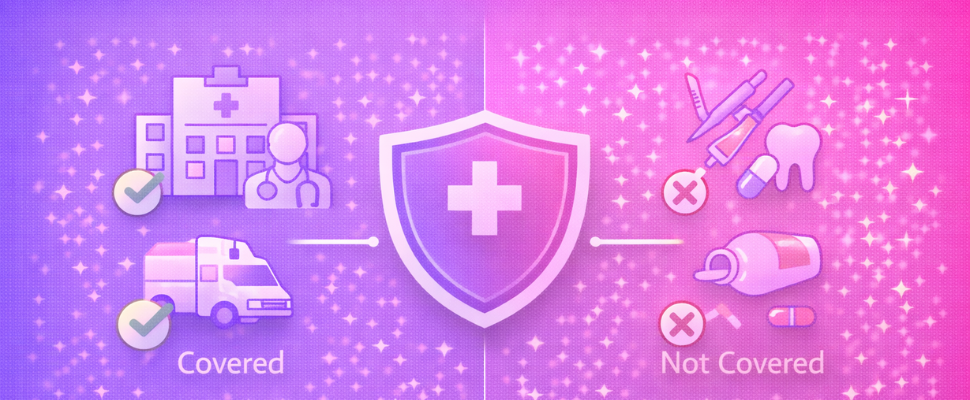
Getting individual health insurance gives you important financial help. It protects you from large bills during medical emergencies. But many people with insurance don't fully understand what their plan includes. They also miss what it does not cover. This often leads to unexpected costs you must pay yourself.
This guide helps make your Individual Health Insurance plan clear. We will explain common things your plan typically won't cover. Knowing these plan exclusions can help stop your claims from being denied. This keeps your money safe.
What Is Individual Health Insurance Coverage?
An individual health insurance plan covers just one person. This plan helps pay for your medical costs only. It usually covers things like hospital stays, doctor visits, and many different medical treatments.
The main goal is to protect you from India's high healthcare costs. It sets aside specific money for the policyholder's health needs. Unlike a family plan, all the covered sum insured is only for the individual. This helps make sure you have full money support for your medical care. The plan also offers benefits, depending on the insurance company. For example, you might get Cashless hospitalization. This means you do not pay cash at the hospital. It can also cover quick medical procedures, known as Daycare procedures.
It is important to understand your Individual Health Insurance Coverage. This helps you make smart choices for your health protection. A key part of this understanding involves knowing What Does Individual Health Insurance Cover and Exclude? In the next parts, we will explain the specific items individual health insurance covers and does not cover.
What Does Health Insurance Typically Cover as Inclusions?
A standard individual health insurance cover helps with many medical costs. Understanding what these plans offer lets you use your insurance wisely. These plans pay your medical bills if you face sudden health issues.
In-patient Hospitalization
This covers costs when you stay in a hospital for over 24 hours. It pays for your room, nursing care, and doctor visits. While in the hospital, it also covers surgery room fees, medicines, and tests. Most plans let you get cashless care at network hospitals.
Pre and Post-Hospitalization Expenses
Costs both before and after your hospital stay are also included. Pre-hospitalization costs usually involve doctor visits and first tests. Insurers often cover these for about 30 to 60 days before you enter the hospital. After you leave the hospital, post-hospitalization costs cover follow-up visits and needed medicines. These are covered for 60 to 180 days.
Daycare Procedures
Some medical treatments do not need a full 24-hour hospital stay. We call these daycare procedures. Many plans pay for them. Examples include eye surgery for cataracts, chemotherapy, or dialysis. The specific procedures covered often change based on your insurance company.
Ambulance Cover
Most plans include ambulance cover. This benefit pays for transport to the nearest hospital in an emergency. The amount paid for ambulance services usually has a set limit for each event.
Other Common Inclusions
Plans often cover costs for organ donor surgery. After a waiting period, they may also include annual health check-ups. Some plans offer treatment at home for specific conditions; this is called at-home hospitalization. Depending on the insurer, a co-payment rule might apply to some of these benefits. It is important to review your policy document to understand what specific treatments or conditions the plan might exclude.
Why are there exclusions in health insurance?
Health insurance exclusions mean certain things your plan will not pay for. These are specific conditions, treatments, or situations. For instance, most plans include a Waiting Period for some illnesses. Pre-existing diseases (PED) also typically have their own waiting times.
These exclusions help companies manage their risk. They also prevent people from making false claims. This often helps keep premiums low for everyone with individual health insurance coverage.
Confused between health insurance plans?
Let AI decide for you.
- AI compares 30+ insurers
- No sales pressure
- Result in 60 seconds
- 100% free
No spam. No calls unless you want them.
It is very important to understand these health insurance exclusions. This will stop your claim from being rejected later. Your policy wording lists these specific limits. Always read your policy carefully to avoid money surprises with hospital bills. Knowing what is not covered helps you make smart healthcare choices.
What does health insurance typically exclude?
Understanding what your health insurance does not cover is very important. This knowledge matters as much as knowing what it does cover. Every health insurance plan lists specific exclusions. These are conditions or treatments your insurance company will not pay for. You must clearly know these details.
Initial Waiting Periods
Most individual health insurance plans start with an initial waiting period. This is a set time, usually 15 to 30 days. It begins the day your plan starts. During this first time, the insurance company usually does not pay for hospital costs. This applies to most common sicknesses or injuries. However, the plan usually covers accidental emergencies right from day one. Some Daycare procedures might also be part of this first waiting period.
Pre-existing Diseases
A pre-existing disease is any sickness or health issue you had before you bought the plan. For example, diabetes, high blood pressure, or thyroid problems are common. Insurance companies use a specific waiting period for these conditions. This time can be anywhere from two to four years. It depends on your chosen insurer and the specific disease. The plan will not cover costs for these conditions until this waiting period finishes.
Specific Treatments and Procedures
Some treatments are often not part of standard plans. These include:
• Cosmetic surgery: Procedures done only to change your looks, not for a medical need, typically have no coverage. This includes plastic surgery for beauty reasons.
• Infertility treatment: Procedures like IVF or other treatments to help you have a baby are generally not covered by many Indian companies.
• Maternity benefits: Some plans offer help with costs for having a baby. But they often have their own specific waiting periods, usually between 9 months and 4 years.
• Alternative therapies: Treatments such as Ayurveda, Unani, Siddha, and Homeopathy (AYUSH) might not always be covered. However, some newer plans do cover AYUSH treatments up to a certain limit.
• Dental treatments: Regular check-ups, root canals, and cosmetic dental work are usually not covered. This changes only if an accident caused the problem.
Permanent Exclusions
Certain conditions and treatments fall under permanent exclusions. This means your plan will never pay for them. Your policy document typically lists these. They can include certain types of self-inflicted injuries. Injuries related to war or treatment for drug or alcohol abuse are also often excluded. These exclusions help insurers manage their risk. They also help keep prices fair for
other policyholders. Always read your policy document carefully to understand all permanent exclusions.
Time-bound exclusions (waiting periods):
Health plans have "waiting periods." These are special times. Your health plan will not pay for some medical bills during these times. Knowing about these periods is very important. Always understand them before you need any medical help.
• Initial Waiting Period: For 30 days after you buy the plan, the plan only covers accident claims.
• Some conditions, like hernias or cataracts, have a 1-2 year wait.
Confused between health insurance plans?
Let AI decide for you.
- AI compares 30+ insurers
- No sales pressure
- Result in 60 seconds
- 100% free
No spam. No calls unless you want them.
• Pre-Existing Disease (PED) Waiting Period: If you had a health problem before you bought the plan, you might wait 2-4 years for treatment.
This information helps you know exactly when your plan will start paying.
Conditions and treatments commonly left out:
Even after you wait, most individual health insurance coverage plans may not pay for many health problems. Insurance companies set these rules. This helps them control risks and keep costs low. You must understand what your individual health insurance coverage typically does not include.
• Cosmetic surgery: These procedures make you look better. They are not for medical needs after an injury.
• Most regular dental, eye, or ear care is not included. This means check-ups, glasses, or hearing aids.
• Pregnancy and infertility: Normal plans often do not include these. You usually need an extra part or a special policy.
• Problems from life choices: Plans usually do not cover sicknesses from drinking alcohol or using drugs.
• Hurting yourself on purpose, like trying to end your life, is not included.
Other exclusions that tend to stay permanent:
Apart from waiting times and certain rules, some things are simply not covered. Your general health insurance plan usually will not pay for these items. Knowing these facts helps you avoid future claim denials.
• Birth Conditions: Problems you have from birth are usually not paid for.
• Alternative treatments like homeopathy or Ayurveda (AYUSH) often need a separate add-on. • Everyday Supplies: Things you use up, like gloves or cotton, are usually not included.
• Injuries from war, riots, or illegal actions are also not covered.
Always check your policy carefully to know all permanent exclusions.
How to compare plans and make sense of exclusions:
You need to look past just the premium amount for your health insurance. To avoid surprises later, you must carefully compare health insurance plans. Do not only focus on the total sum insured. The true value often lies in the smaller details of each plan.
When you compare health insurance, pay close attention to these key details:
• Policy exclusions: These specific items are never covered by the plan. This might include cosmetic surgeries. Some AYUSH treatments are also excluded, unless you add them on.
• Understand the waiting periods. You must wait a set time for coverage to start. This applies to pre-existing conditions or certain illnesses.
• Sub-limits: Many plans cap how much they will pay. This can be for specific treatments or for certain hospital room types.
Confused between health insurance plans?
Let AI decide for you.
- AI compares 30+ insurers
- No sales pressure
- Result in 60 seconds
- 100% free
No spam. No calls unless you want them.
• Check if pre-hospitalization costs are covered. Also, see for how many days these expenses get covered before you are admitted.
A full policy comparison helps you find the right coverage. Platforms like Cover Tiger can help with this. Our smart tool lets you easily compare what is included and excluded. You can also compare waiting periods and sub-limits across plans from various Indian companies. This helps you make a smart choice for individual health insurance coverage.
Are pre-existing diseases covered by health insurance?:
Yes, health insurance often covers health problems you already have. But this coverage usually starts only after a waiting time. A pre-existing disease (PED) is a medical issue or injury. Doctors must have found or treated it within 48 months before your policy starts.
Indian insurance companies use a PED waiting time. This time usually lasts from two to four years. While you wait, your policy will not pay for any claims linked to your PED. For example, if you have diabetes, your policy covers claims for it only after this time passes.
For good individual health insurance, always be honest. You must share all facts about pre-existing conditions when you apply. Telling the truth about your health stops future claims from being denied. This full health information helps you get pre-existing diseases covered when you need it.
Conclusion
Health insurance offers a strong financial safety net. It helps manage unexpected medical bills. Truly knowing your individual health insurance coverage is key. This means understanding what your policy covers and what it leaves out.
Always look over your policy document carefully. Check the rules for Pre-existing diseases (PED) and Daycare procedures. This helps avoid surprises later. Reading carefully typically clears up questions about Hospitalization expenses.
Before you buy, compare different health insurance plans. Use modern tools to check your choices well. This helps you make a smart choice. Pick a health insurance policy that truly fits your needs.
Frequently Asked Questions
What is not covered by individual health insurance plans?
Pre-existing diseases typically aren't covered immediately; there's a waiting period involved. Cosmetic treatments, routine dental work (unless accidental), and self-inflicted injuries are usually definite exclusions. You'll also find non-medical items, experimental therapies, or treatments done
outside India typically won't be covered (always check your specific policy document).
Q: What is the difference between an individual plan and a family floater plan?
Individual health plans give dedicated coverage and sum insured to one person. Family floater plans, conversely, cover multiple family members like you, your spouse, and dependent children (sometimes even parents, depending on the insurer's criteria) under one shared sum insured. It's a pool of money any family member can use until it's exhausted, typically within that policy year.
Q: What happens if I don't disclose a pre-existing disease when buying a policy?
Your insurer can reject claims related to that condition, or even cancel the policy completely. This is because accurate disclosure is crucial; it's a basic part of the contract, and you typically lose out on premiums paid too. Undisclosed PEDs, as per IRDAI guidelines, just invalidate your coverage (this can happen even years later).
Q: Are diagnostic tests like MRIs and CT scans covered?
Most health insurance policies in India do cover diagnostic tests like MRIs and CT scans. They're typically included when medically necessary and prescribed by a doctor, usually as part of pre-hospitalisation or during a hospital stay (check your policy wording). You'll claim these costs through cashless facilities or reimbursement, depending on the plan's specific terms.
Q: What is the initial waiting period in a health insurance policy?
The initial waiting period is typically 15 to 30 days from your policy's start date. During this time, you won't be able to claim for any illness or medical treatment, though accidental hospitalisation is usually covered (always refer to your specific policy terms). This is a standard practice across
most Indian health insurance plans.

Written By
Raj Shankar
Principal Officer and General Manager at CoverTiger
With over 7 years of experience in the insurance and fintech industry, Raj Shankar has helped 10,000+ customers secure their families with the right insurance solutions. He has worked with leading brands such as Policybazaar, INDmoney, and CoverTiger, building strong expertise in health insurance, life insurance, sales leadership, and customer advisory. His mission is to make insurance simpler, more transparent, and accessible for every Indian family.