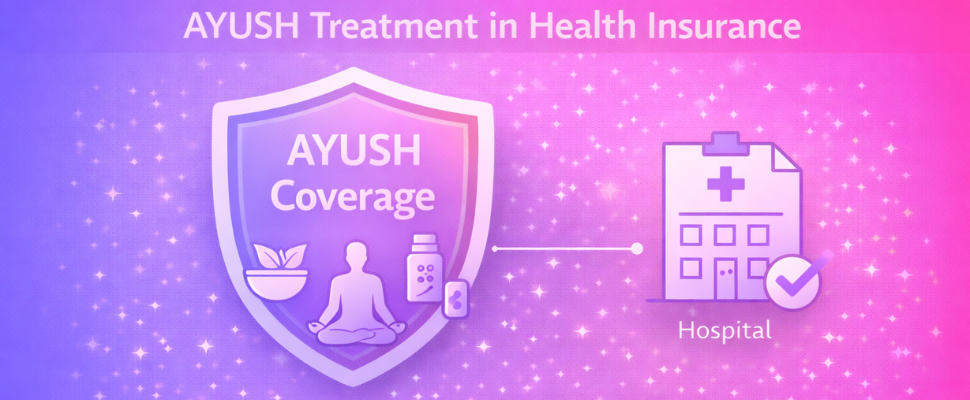
AYUSH stands for Ayurveda, Yoga & Naturopathy, Unani, Siddha, and Homoeopathy. These are India's own traditional medicine systems. The AYUSH sector has grown much in India. Its market size has also expanded over the last ten years.
Indians now want more full healthcare, often called holistic healthcare. This growing need changed how insurance works. The IRDAI asked insurers to add AYUSH treatment to health policies. This helps more people get cover for traditional medicine.
This guide will explain what ayush health insurance covers. It details its benefits and who can get it. We also show you how to make a claim.
What is AYUSH treatment in health insurance?
Understanding ayush in health insurance is important for your health policy. This ayush insurance coverage helps pay for medical costs from certain traditional medicine systems. These include Ayurveda, Yoga, Unani, Siddha, and Homoeopathy. The Ayush part of health insurance often covers treatments when you stay in the hospital. You usually need to get these treatments at government-approved hospitals or centers.
The Ministry of AYUSH helps make these practices standard. This effort by the Ayush health insurance government makes sure you get better care. It also helps support Ayush treatment cover in health insurance. The Ayush benefit in health insurance usually covers: * Ayurveda: An old Indian system that uses natural remedies. * Healing through Yoga and Naturopathy focuses on natural well-being. * Unani is a traditional medical system that came from Greece. * Siddha: This old healing method comes from South India. * Homoeopathy uses small doses of natural substances. Ayush medical insurance gives you more choices for your healthcare needs.
Why consider AYUSH coverage in your health insurance?
Choosing ayush health insurance brings many good things. It gives you more ways to get healthcare. Many people in India trust old, traditional medicines. Adding ayush treatment cover in health insurance helps pay for these choices.
Get More Treatment Choices
An ayush benefit in health insurance means you have more health options. You do not have to use only modern medicine. For instance, Ayurvedic treatments can help with long-term health issues. Naturopathy may help you manage lifestyle problems. This lets you pick a more personal way to care for your health. Many Indian companies now include ayush in health insurance plans.
Protect Your Money
Medical costs can get very high. Having ayush medical insurance keeps your personal savings safe. It pays for hospital stays for traditional treatments. This covers approved places for Yoga or Unani therapies. The ayush health insurance government approval by IRDAI helps ensure claims are real. Some plans also offer Cashless AYUSH treatment at certain hospitals. In these cases, you do not pay upfront.
Tax Benefits
Health insurance payments can lower your taxes. This is true for plans that cover AYUSH too. You can claim these benefits under Section 80D of the Income Tax Act. This makes ayush health insurance a smart money choice. It helps you save money on taxes and protects your health.
What's included and excluded in AYUSH health insurance?
AYUSH health insurance offers good benefits. But you should know what it covers and what it does not. Every policy has its own rules. These rules show which treatments the policy will pay for. Knowing these rules helps you use your alternative medicine insurance well.
What is Usually Included
Confused between health insurance plans?
Let AI decide for you.
- AI compares 30+ insurers
- No sales pressure
- Result in 60 seconds
- 100% free
No spam. No calls unless you want them.
Most insurance policies follow IRDAI rules for AYUSH coverage. They often include these benefits:
• In-patient Hospitalization: This part pays for treatment if you stay in an AYUSH hospital. It also covers a special AYUSH ward inside a larger hospital. You must stay for at least 24 hours.
• The policy generally pays for costs for Ayurveda therapies, medicines, and procedures.
• Yoga and Naturopathy: In-patient costs at approved centers are typically included.
• Unani, Siddha, and Homeopathy: This benefit pays for hospitalization costs for these specific health systems.
• Costs for treatment for a set number of days before and after your hospital stay are often covered.
What is Usually Excluded
Certain things are generally not covered by AYUSH health insurance policies.
• Normal doctor visits and medicines you buy without a hospital stay are usually not covered.
• Unrecognized Centres: The policy does not pay for treatment at places not approved by the government or your insurance company.
• Treatments simply for general well-being or to feel young again are typically not paid for.
• Experimental Therapies: Any new or unproven AYUSH treatments may not be covered by your plan.
How to find the best AYUSH health insurance plan
Many insurance firms now give AYUSH cover. Still, policy rules, sub-limits, and network hospitals often differ a lot. Getting the right ayush health insurance plan needs a good look. An online tool can make this easier.
Follow these simple steps to compare plans:
1. Think about what AYUSH treatment you might need.
2. Look at the specific sub-limits each plan has for AYUSH.
3. Find out which AYUSH hospitals work with your chosen insurer.
This helps you get proper guidance for full cover. It mixes allopathic and AYUSH treatments well.
What is the eligibility for AYUSH health insurance?
It is often simple to get AYUSH health insurance. Usually, if you qualify for a regular health plan, AYUSH benefits are also open to you. Your main policy typically includes this AYUSH insurance coverage.
Here are some things to know about who can get it: * Eligibility criteria like age limits from your main health plan still count. * The plan’s normal starting waiting period will be in effect. * Look at your policy papers for specific waiting times related to past health issues. These apply to AYUSH care too.
How to make a claim for AYUSH treatments
The claim process for AYUSH treatments works much like regular health insurance. You usually get to pick between two options: cashless or reimbursement. Your choice often depends on your insurer and the hospital you select. Understanding these steps helps ensure your ayush health insurance claim runs well.
For Cashless Treatment
You must inform your insurance company or TPA before you visit the hospital. This applies if you choose an AYUSH hospital connected with your insurer. The hospital then sends your request to the insurance company. After checking your papers, the insurer typically approves the cashless
treatment. This happens if it follows your policy rules. You will not pay for covered costs. This often makes the process simpler.
Confused between health insurance plans?
Let AI decide for you.
- AI compares 30+ insurers
- No sales pressure
- Result in 60 seconds
- 100% free
No spam. No calls unless you want them.
For Reimbursement
First, you pay all hospital bills yourself. Make sure to collect all original documents. These include discharge papers, prescription slips, and payment receipts. Send these papers to your insurance company or TPA. Do this within the given time, usually 15-30 days after leaving the hospital. The insurer will review your claim. They then send the reimbursement money to your bank account.
This option is common for many AYUSH centers or smaller clinics not in your insurer's network. Most policies offering ayush health insurance include this method.
Choose a recognized hospital first
When making an ayush health insurance claim, choose an approved place. This hospital should be approved by the government or NABH. For cashless claims, you must use an AYUSH network hospital.
• Check for government or NABH approval.
• Choose AYUSH network hospitals for cashless payments.
• Make sure the facility is on your insurer's approved list.
Best For: Making your AYUSH treatment claims simple and correct.
Let your insurer know
If you have ayush health insurance, always tell your insurer or TPA. For planned hospital visits, let them know ahead of time. In urgent cases, tell them within 24 to 48 hours. This generally helps your claim go through without issues.
• Tell them before a planned hospital stay.
• Notify your insurer fast in emergencies.
• This is key for cashless claims.
Best For: Getting your AYUSH treatment claim approved easily.
Submit the required documents
For ayush health insurance, good documents are key. This proves you can make a claim. It also helps speed up your payment.
• Hand in the filled-out claim form.
• The doctor's prescription and discharge summary are needed.
• Make sure to attach all original bills and diagnostic reports.
Best For: Getting your AYUSH treatment claims paid quickly.
Claim processing and settlement
In most cases, the insurer will carefully check all documents you send. After that, your ayush health insurance claim goes through as per your policy rules. For cashless settlement, the company pays the hospital directly. If it's for reimbursement, you pay first, and they pay you back.
• Insurers will look at all claim papers.
• The claim process follows your policy terms.
• Cashless payment goes straight to network hospitals.
• You get your money back with reimbursement.
Best For: Knowing how your AYUSH claim will get settled.
Confused between health insurance plans?
Let AI decide for you.
- AI compares 30+ insurers
- No sales pressure
- Result in 60 seconds
- 100% free
No spam. No calls unless you want them.
Conclusion
Ayush health insurance offers vital protection. It blends traditional Indian healthcare with financial safety. This plan lets you get treatments like Ayurveda and Naturopathy. Always read your policy document with care. Look at what is covered, what is not, and how to claim. Knowing these details helps you choose well. This keeps your health and money safe.
Frequently Asked Questions
What is the AYUSH medical scheme?
The AYUSH scheme means your health insurance policy covers traditional Indian medical treatments like Ayurveda, Yoga, Unani, Siddha, and Homeopathy. You can typically claim medical expenses for these treatments received at accredited AYUSH hospitals or day care centres (this can vary by insurer). IRDAI has mandated this coverage, so it's offered by all health insurers now. It provides you more diverse healthcare choices.
Is Ayurveda covered by insurance?
Ayurveda treatments are indeed covered by health insurance plans in India. IRDAI mandates that insurers must cover inpatient hospitalisation for AYUSH systems, which includes Ayurveda, Yoga, and Unani. So, you'll typically find expenses for hospital-based Ayurvedic treatments reimbursable, though the specific sub-limits can differ (do check your policy document).
What does AYUSH stand for in health insurance?
AYUSH stands for Ayurveda, Yoga & Naturopathy, Unani, Siddha, and Homoeopathy. In your health policy, it covers treatments from these traditional and alternative medicine systems. IRDAI now mandates most plans include this (though sub-limits often vary), providing you broader treatment choices beyond just allopathy.
What is the AYUSH plan?
The AYUSH plan covers hospitalization expenses for treatments like Ayurveda, Yoga, Unani, Siddha, and Homoeopathy. As per IRDAI regulations, all Indian health policies typically must offer this traditional medicine coverage. You'll claim costs for approved AYUSH treatments at recognized facilities (do check your specific policy wording). This gives you more treatment choices.
Can I get a cashless facility for AYUSH treatments?
Cashless facility for AYUSH treatments is available with many health policies in India. You'll need to check if the AYUSH centre is part of your insurer's network (always verify beforehand). Typically, treatments require a 24-hour hospitalisation and a qualified practitioner, following IRDAI rules.
Are there separate spending limits on AYUSH coverage within a health policy?
Yes, most health policies with AYUSH cover typically have a separate spending limit. This amount is usually a specific percentage of your sum insured or a fixed amount, completely distinct from your allopathic treatment coverage. You'll want to check your policy document for the exact
sub-limit (this can vary quite a bit between insurers).

Written By
Raj Shankar
Principal Officer and General Manager at CoverTiger
With over 7 years of experience in the insurance and fintech industry, Raj Shankar has helped 10,000+ customers secure their families with the right insurance solutions. He has worked with leading brands such as Policybazaar, INDmoney, and CoverTiger, building strong expertise in health insurance, life insurance, sales leadership, and customer advisory. His mission is to make insurance simpler, more transparent, and accessible for every Indian family.